
The Catalan Government is considering a possible gradual easing of restrictions during the autumn, although the five new positive cases detected in early September call for continued caution
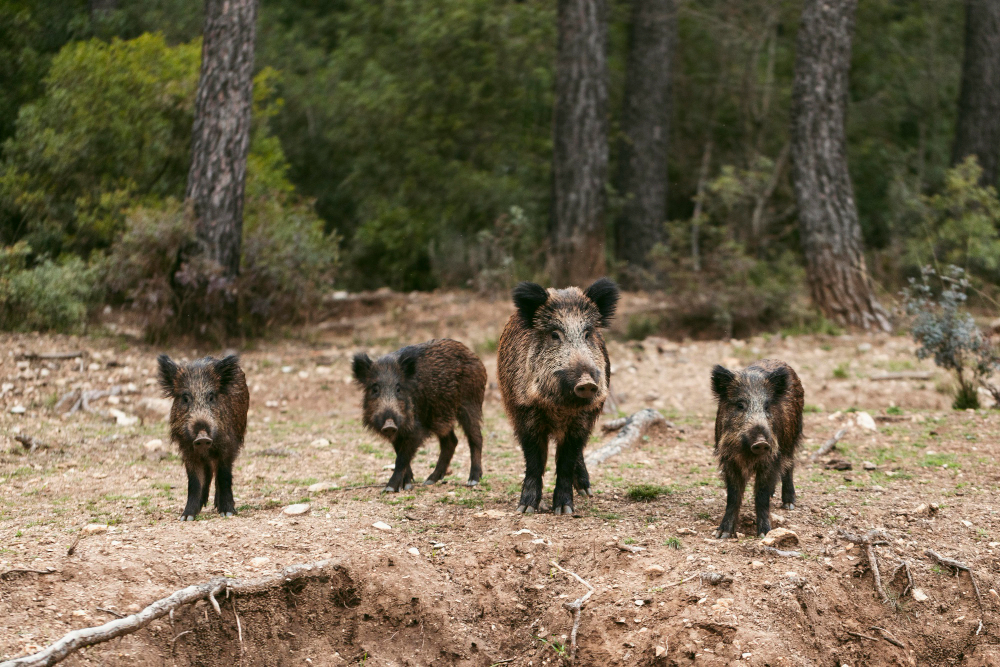
The evolution of African swine fever (ASF) in Catalonia continues to shape the agenda of the pig sector. After two consecutive weeks without detecting new cases in the high-risk area, the latest data have confirmed five new positive cases in wild boar, three in Sant Cugat del Vallès, one in Barcelona and another in Molins de Rei.
With these new cases, since the outbreak was detected on 28 November 2025, 11,775 wild boars have been analysed, with 384 positive and 11,391 negative results.
Despite this latest increase, the evolution recorded over recent weeks had led the Catalan Government to consider the possibility of beginning to assess a gradual easing of restrictions during this autumn, provided that the epidemiological situation and the criteria of veterinary experts allow it.
The Minister of Agriculture, Livestock, Fisheries and Food, Òscar Ordeig, had already pointed out at the end of August that the indicators showed a favourable evolution, although he warned that it was still premature to relax the measures. The new positive cases now reinforce the need to remain cautious and to continue applying control and biosecurity measures.
Aid for companies, slaughterhouses and pig farms
At the same time, the Catalan Government has announced a package of economic measures aimed at companies and activities affected by the restrictions resulting from ASF.
The measures include direct aid for companies located in high-risk municipalities that have suffered a significant drop in turnover, as well as subsidised financing lines through the Catalan Finance Institute (ICF).
In the specific case of the pig sector, support is also planned for slaughterhouses affected by the regionalisation of international markets, through the temporary partial or total compensation of certain administrative and health costs linked to exports and slaughter.
In addition, the ICF Agroliquiditat credit line will be extended with subsidised financing for slaughterhouses and pig farms that have suffered serious marketing problems as a result of the restrictions.
ANAFRIC: biosecurity and protecting the sector’s competitiveness
ANAFRIC considers it essential to maintain the efforts made to control the disease and preserve the biosecurity of farms, while at the same time adopting measures that make it possible to reduce the economic and commercial impact that ASF is having on companies in the pig sector.