The Government of Catalonia has established the Strategic Wild Boar Task Force, a permanent forum for dialogue and coordination aimed at addressing the problems arising from the overpopulation of wild boar, which has a direct impact on agricultural activity, animal health, public safety and coexistence in rural and urban areas.
The first meeting, held at the Palau de la Generalitat, was chaired by the President of the Government of Catalonia, Salvador Illa, and attended by the Minister of Agriculture, Livestock, Fisheries and Food, Òscar Ordeig, together with representatives from public administrations, the scientific community, the primary sector, the hunting sector and environmental conservation organisations.
A challenge with a direct impact on the livestock and meat sector
The spread of wild boar populations in Catalonia has direct consequences for the agri-food sector, particularly due to crop damage, health risks and the potential impact on the biosecurity of livestock farms, at a particularly sensitive time for the meat sector.
According to the data presented, Catalonia currently has an average density of 6.3 wild boar per km², with an estimated breeding population of 125,000 animals, which may reach up to 180,000 individuals. This situation has led to a significant increase in traffic accidents —more than 3,400 incidents in 2024— and growing pressure on rural areas.
The Catalan Government has stressed that the aim is not to eradicate the species, but to reduce the conflicts it generates, ensuring sustainable, science-based and socially acceptable management, compatible with agricultural and livestock activity.
Knowledge-based management, prevention and health control
Minister Òscar Ordeig explained that the Wild Boar Task Force seeks to improve public decision-making, integrate scientific and technical knowledge, and agree on actions tailored to each territorial context.
Key priorities include monitoring and controlling wild boar populations, strengthening damage prevention measures in agriculture, implementing specific actions in urban areas and transport infrastructure, and enhancing health surveillance and disease control, which is essential for protecting livestock and the food chain.
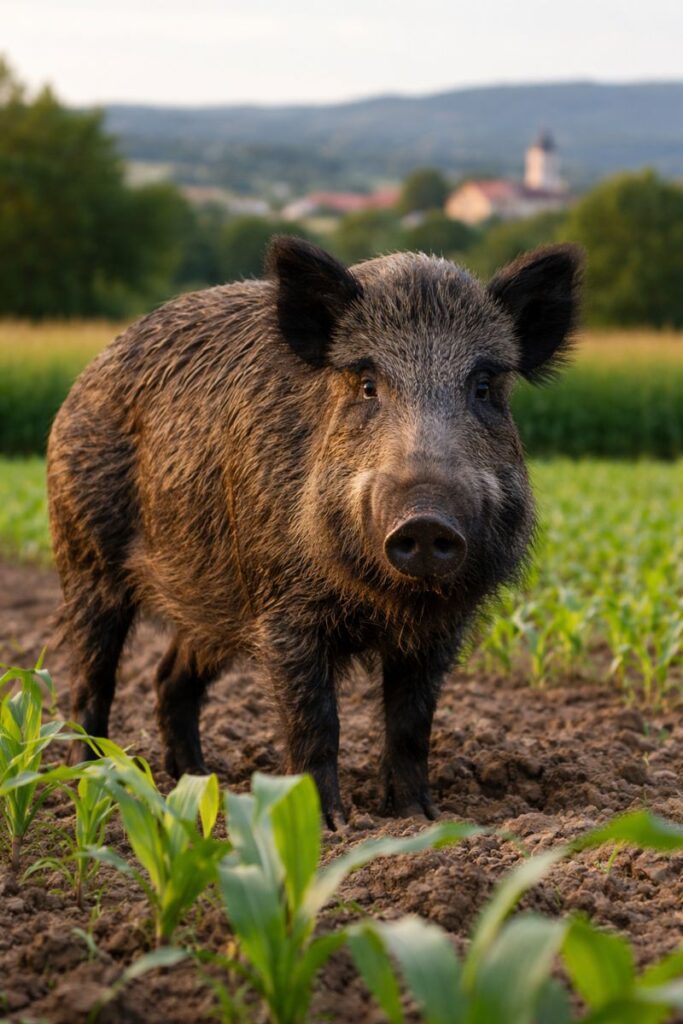
The Task Force will also promote the valorisation of game meat and ensure the proper handling and removal of captured animals, in line with food safety and sustainability criteria.
During the 2024–2025 season, more than 63,000 wild boar were culled, in addition to over 6,000 animals captured through exceptional measures outside the regular hunting season, highlighting the scale of the challenge and the need for coordinated action.
The Wild Boar Task Force will meet at least twice a year and will be supported at territorial level by existing wildlife damage committees across the region.
*Image IA