The progress of the trade agreement between the European Union and Australia has once again placed the livestock sector at the center of the debate. While institutions defend the agreement as an opportunity to strengthen trade relations and open new markets, some in the sector warn of the potential effects on European production, especially in the sheep sector.
The negotiations include the expansion of import quotas for meat from Australia, which could translate into a significant increase in the product on the European market. This scenario is generating concern among producers, who warn of the potential impact on prices and the competitiveness of local farms.
An Agreement with Global Implications
The European Union emphasizes that these types of agreements are part of a broader strategy to consolidate its position in international trade, diversify suppliers, and strengthen relations with strategic partners like Australia.
Furthermore, it is highlighted that the trade agreements include protection mechanisms for the most sensitive sectors, as well as commitments regarding sustainability, traceability, and production standards.
Concerns in the Livestock Sector
However, the livestock sector insists on the need to guarantee a level playing field. One of the main points of concern is compliance with European standards for imported products, especially regarding the use of substances banned in the European Union for decades.
Producers fear that the influx of meat from third countries with different regulations could create an imbalance in the market, both in terms of costs and production requirements.
Sheep Farming, Particularly Vulnerable
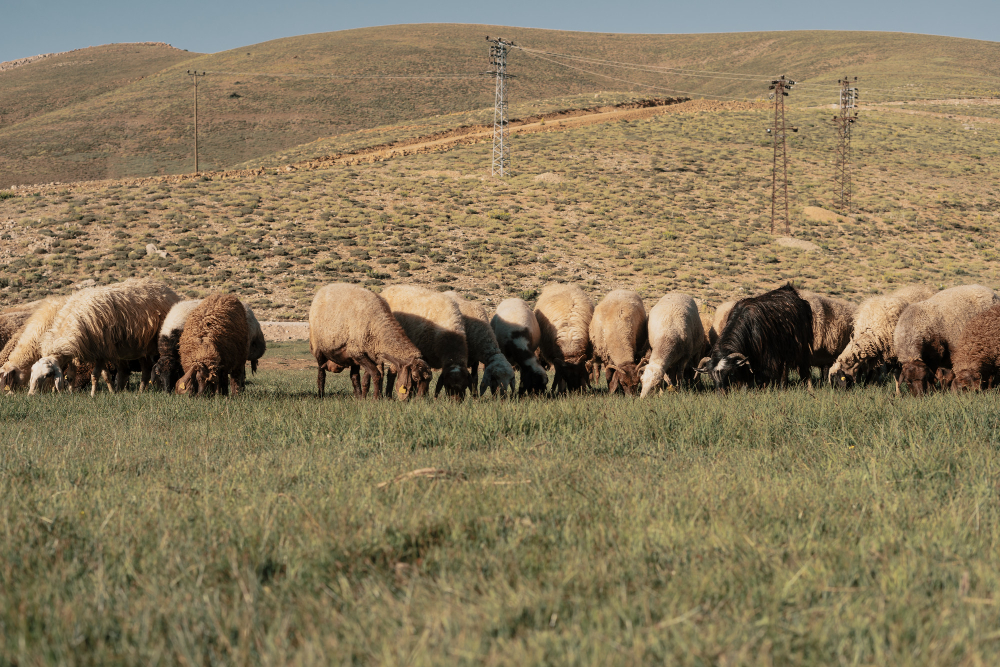
The sheep farming sector is one of the most sensitive to this agreement, given that Australia is one of the world’s leading exporters of this type of meat. An increase in imports could directly affect domestic production and extensive livestock farming systems, which are crucial in many rural areas.
A Balance Between Opportunity and Protection
The debate highlights the need to find a balance between trade liberalization and protecting European production. For the meat sector, the challenge lies in taking advantage of the opportunities offered by international markets without compromising the sustainability, quality, and competitiveness of local production.
ANAFRIC considers it essential to closely monitor the evolution of this agreement and ensure that any trade liberalization is carried out based on criteria of reciprocity, transparency, and respect for European standards.