The Government has presented the future National Fertilizer Plan, a strategy that seeks to reduce dependence on foreign fertilizers, improve the efficiency of their use, and strengthen the competitiveness of the Spanish agri-food sector in a context marked by rising production costs.
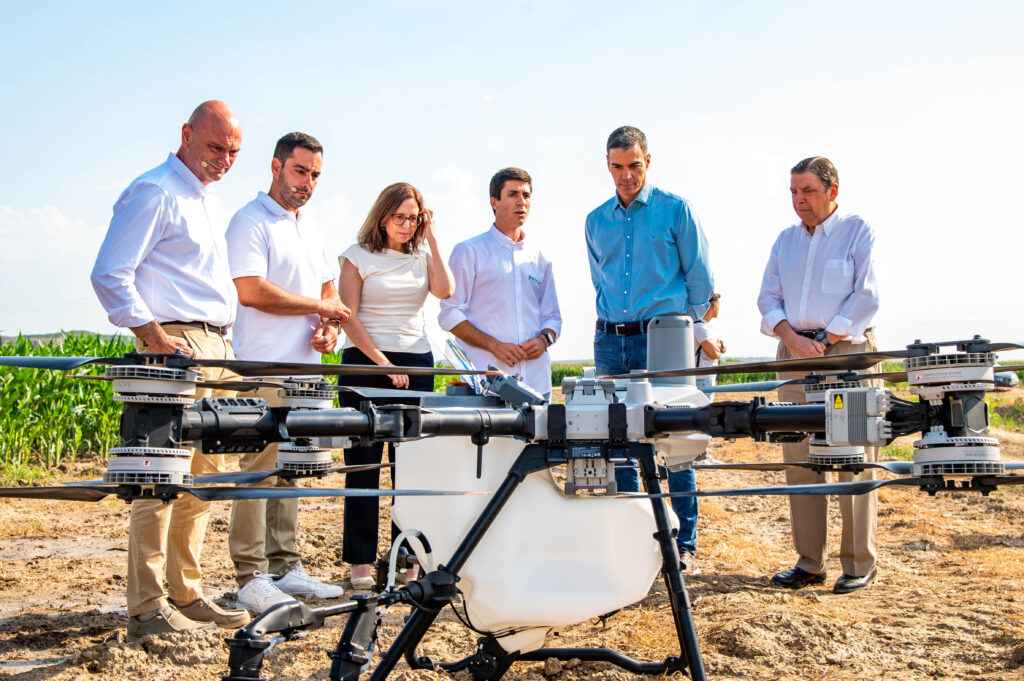
The initiative, announced by Prime Minister Pedro Sánchez, along with the Minister of Agriculture, Fisheries and Food, Luis Planas, will be developed over the coming months and will be aligned with the strategy promoted by the European Union.
The plan is structured around three main pillars: promoting precision agriculture through digital tools that optimize nutrient use; strengthening strategic autonomy through the development of alternatives such as green hydrogen, green ammonia, biogas, and digestate; and greater market transparency through the creation of a national fertilizer information system.
Reducing Dependence
For the entire agri-food chain, these measures can contribute to reducing dependence on imported raw materials, improving resource management efficiency, and fostering a more resilient and sustainable production model.
The government has noted that the rise in fertilizer prices, initially triggered by the war in Ukraine and subsequently exacerbated by the conflict in the Middle East, has significantly increased production costs for farmers and livestock breeders. With the new plan, in addition to the financial aid already approved, the aim is to move towards a more efficient fertilization model based on innovation, research, and better nutrient utilization.
The National Association of Fertilizer Manufacturers (ANFFE) has welcomed the initiative, emphasizing that innovation and optimized fertilizer use will be key elements in improving the competitiveness of the Spanish agri-food sector and moving towards greater strategic autonomy.
For ANAFRIC, any initiative aimed at improving the competitiveness of the entire agri-food chain, fostering innovation, and moving towards more efficient production models represents an opportunity to further strengthen the sustainability and resilience of the livestock and meat sector.
News from MERCOLLEIDA
Image: MAPA