
From 3 September, the European Union is suspending imports from Brazil of beef and poultry, as well as other products such as eggs, honey and casings, due to a lack of guarantees regarding compliance with European rules on the use of antimicrobials.
This was explained by Belgian MEP Benoît Cassart in a LinkedIn post, in which he focuses on an issue of particular relevance to the European livestock and meat sector: imported products must meet the same requirements that apply to European producers.
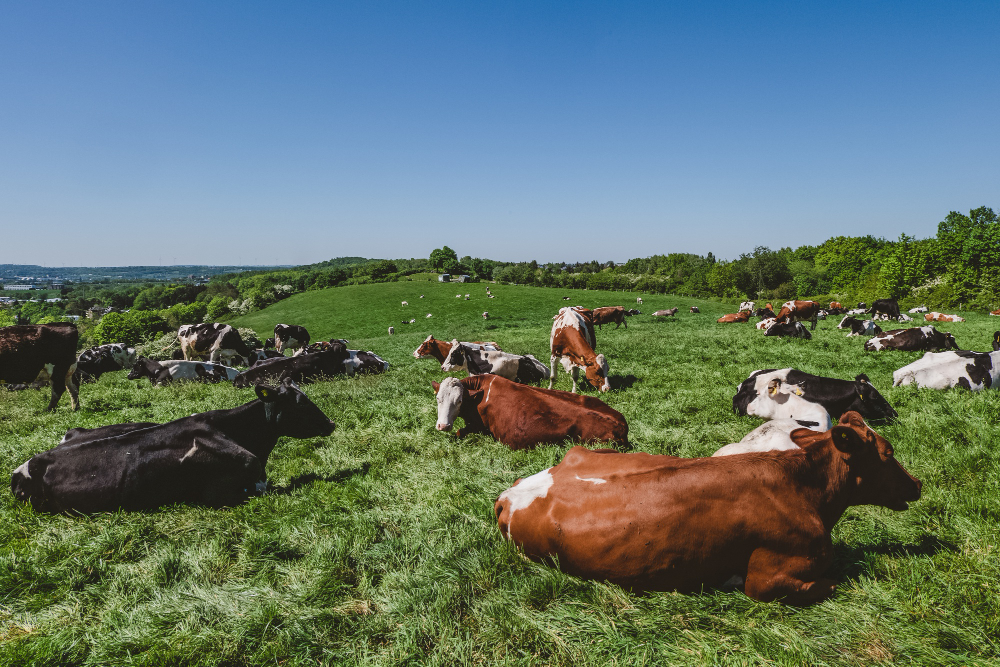
Since 2022, European livestock farmers have been subject to strict restrictions on the use of antibiotics under the One Health strategy, aimed at combating antimicrobial resistance. These same requirements now also apply to third countries wishing to export their products to the EU market.
Brazil has not yet demonstrated that it complies with these requirements. However, this is a temporary situation that may be reviewed if the country provides the necessary guarantees. As Cassart points out, the European Commission is carrying out an audit in Brazil and, if compliance with the rules is demonstrated, its authorisation may be reconsidered.
Same rules to compete on a level playing field
Cassart also points out that the debate goes beyond the use of antibiotics. European producers cannot be required to comply with some of the strictest standards in the world while products that cannot demonstrate equivalent conditions are allowed to enter the market.
This reciprocity must also extend to areas such as animal welfare and environmental standards.
Likewise, controls should not be limited solely to the final product, but should cover the entire production chain, from the livestock farm to the arrival of the product on the European market, in order to ensure fair competition and equivalent rules for everyone.