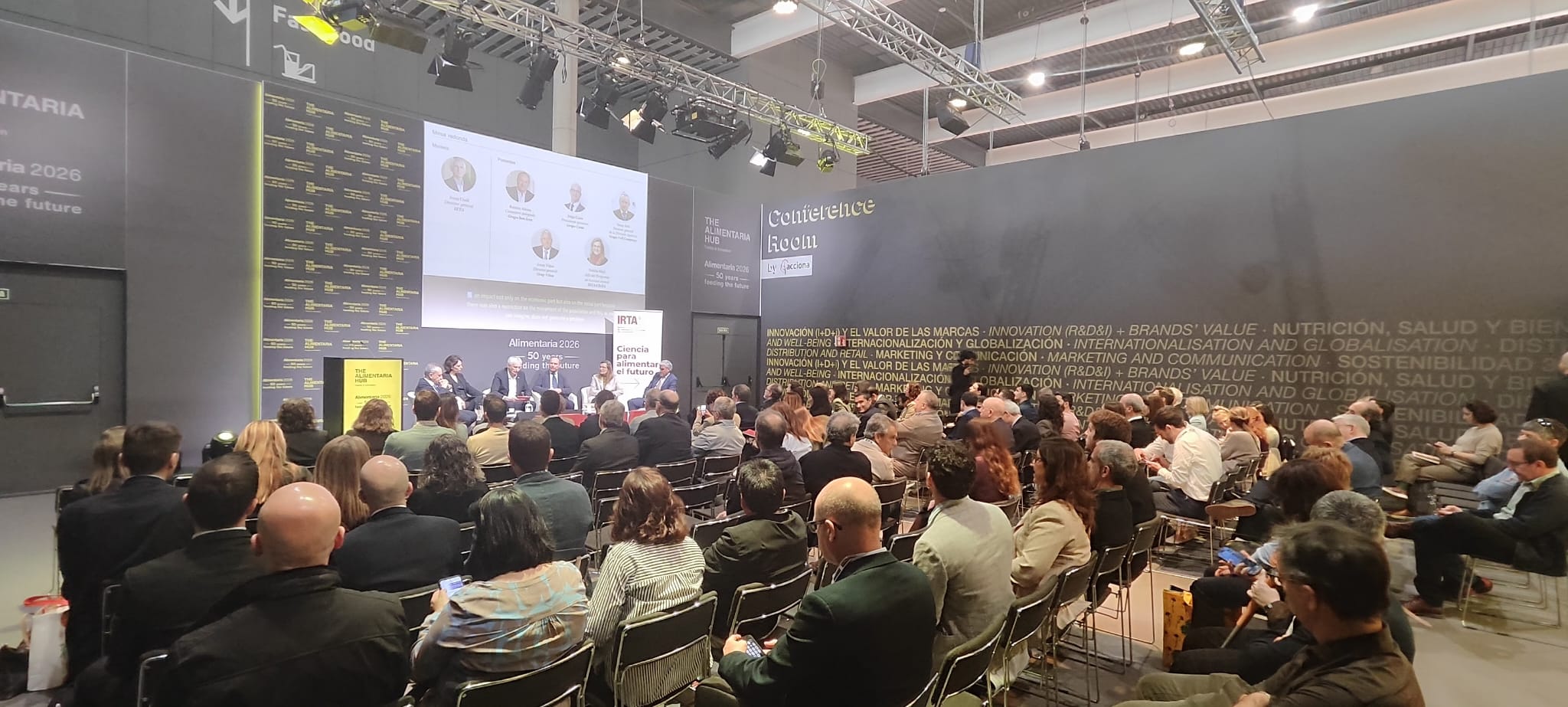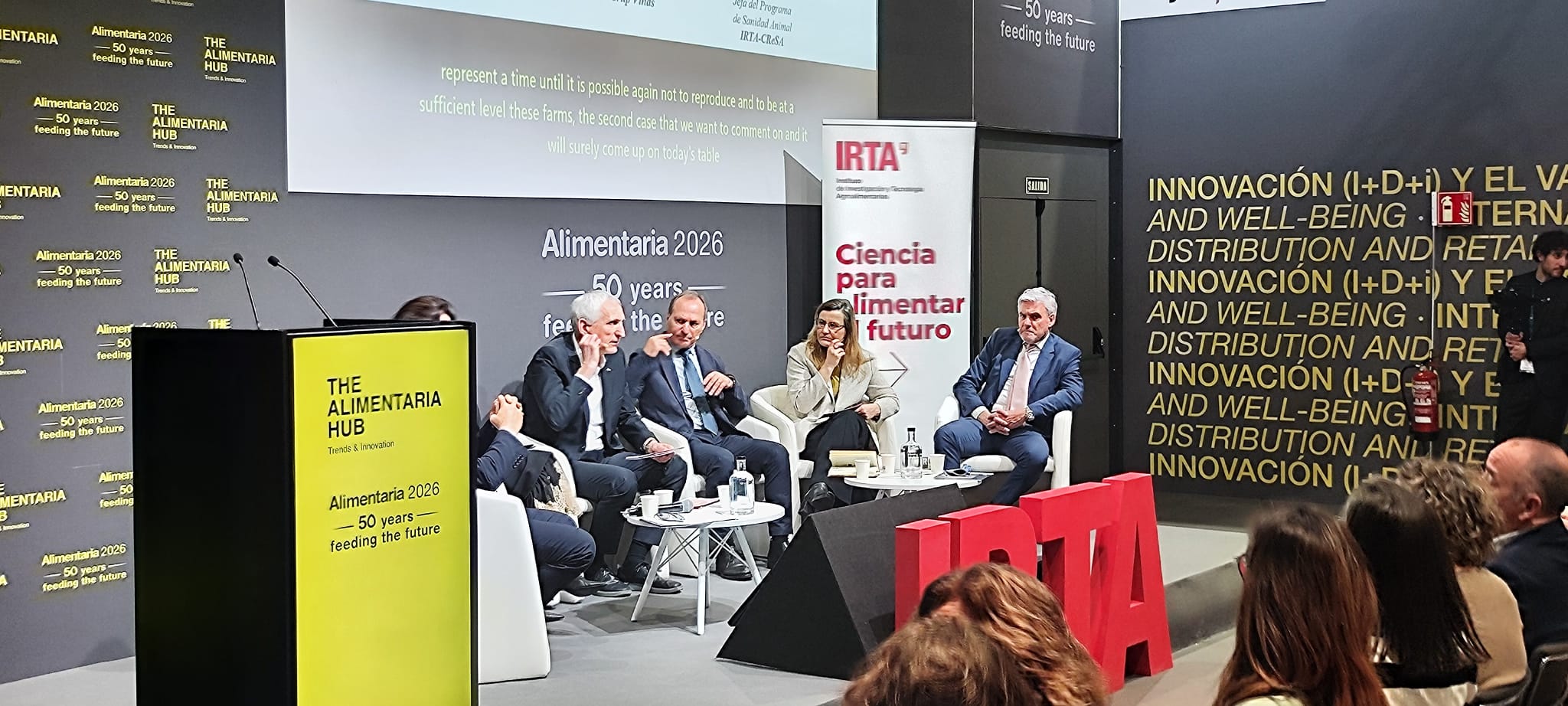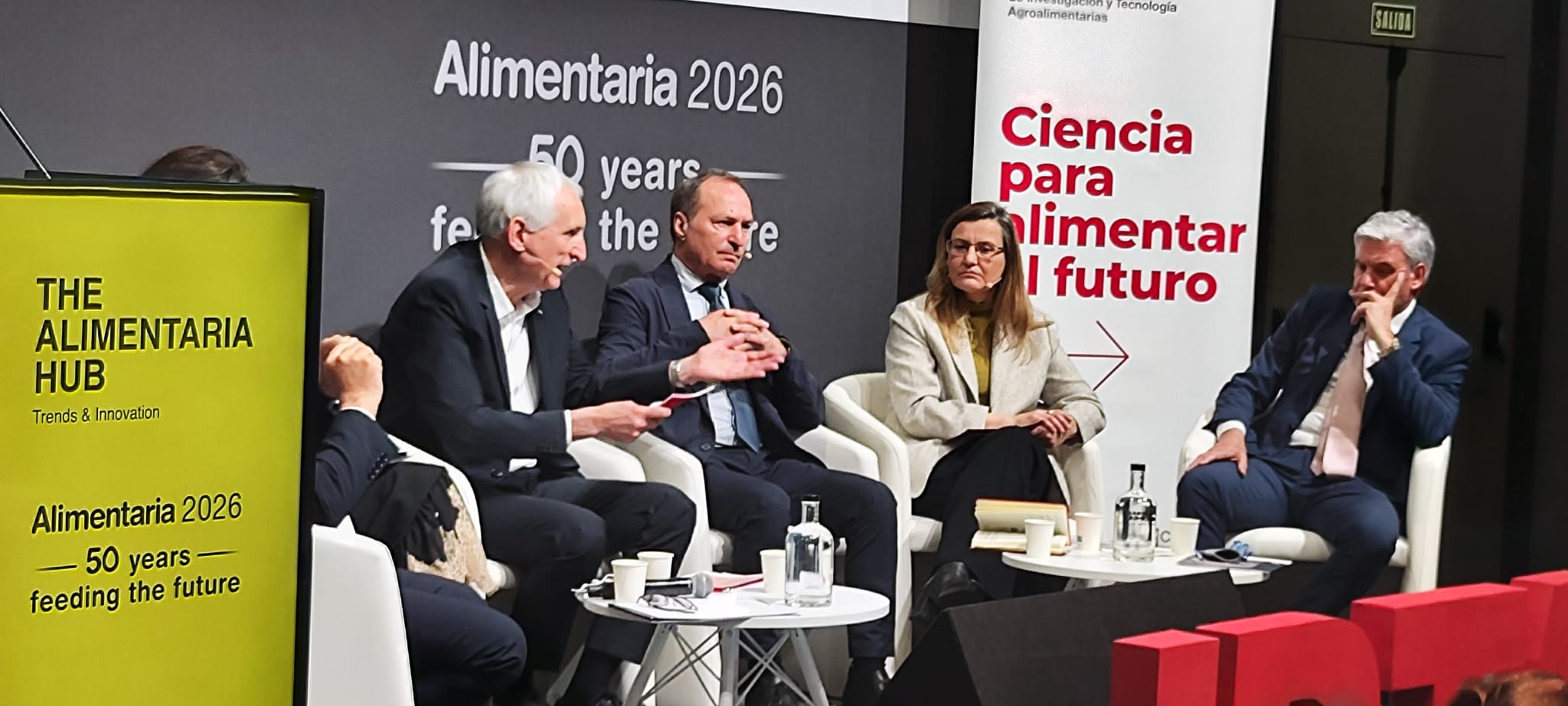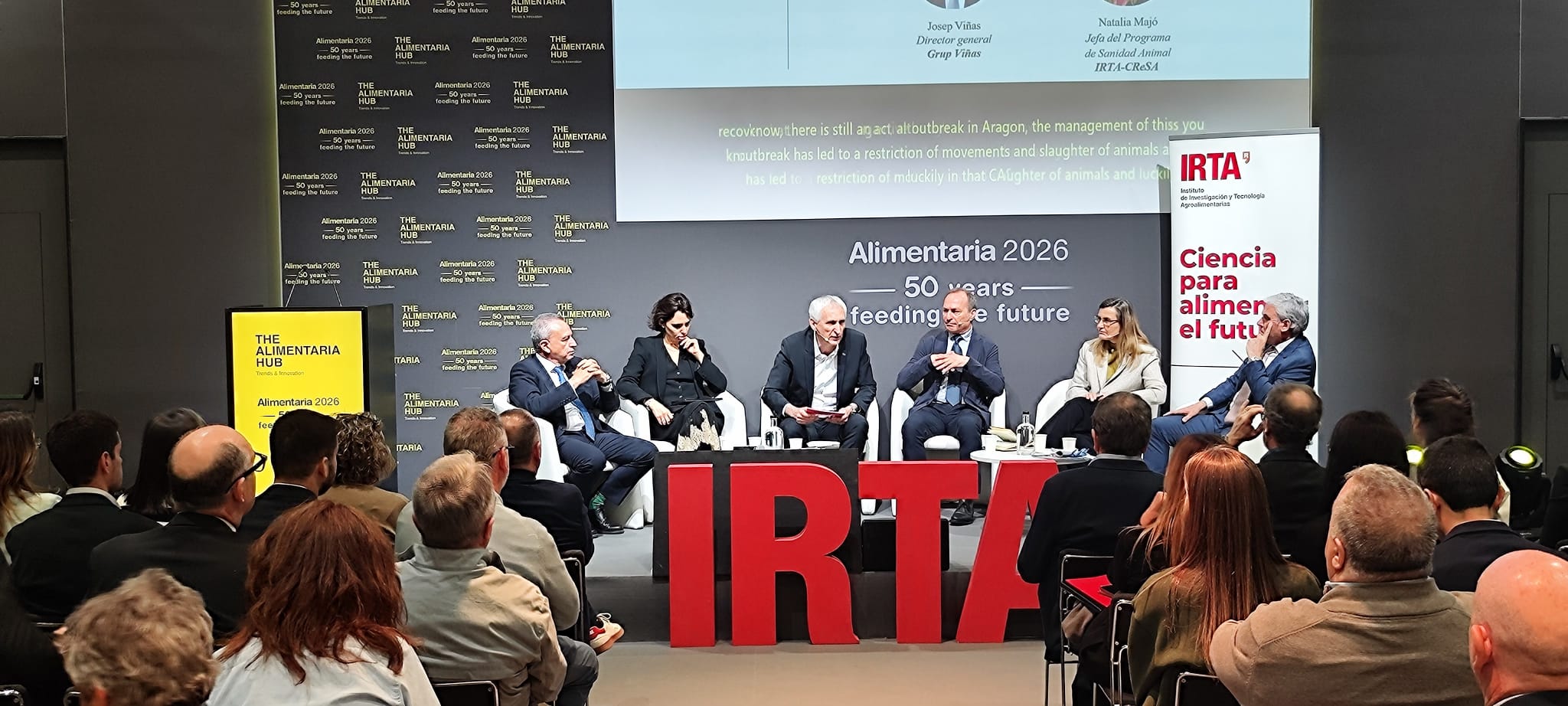
Within the framework of Alimentaria, the round table “The Price of Animal Health: Opportunities and Threats to Competitiveness” was held, in which representatives from the sector and the scientific community analyzed the main challenges in a context marked by climate change, globalization, and production intensification. IRTA organized this round table with representatives from leading companies in the sector, coinciding with several outbreaks of animal diseases in Catalonia over the past few months, which have highlighted the importance of alliances within the framework of biosecurity and innovation for the sector.
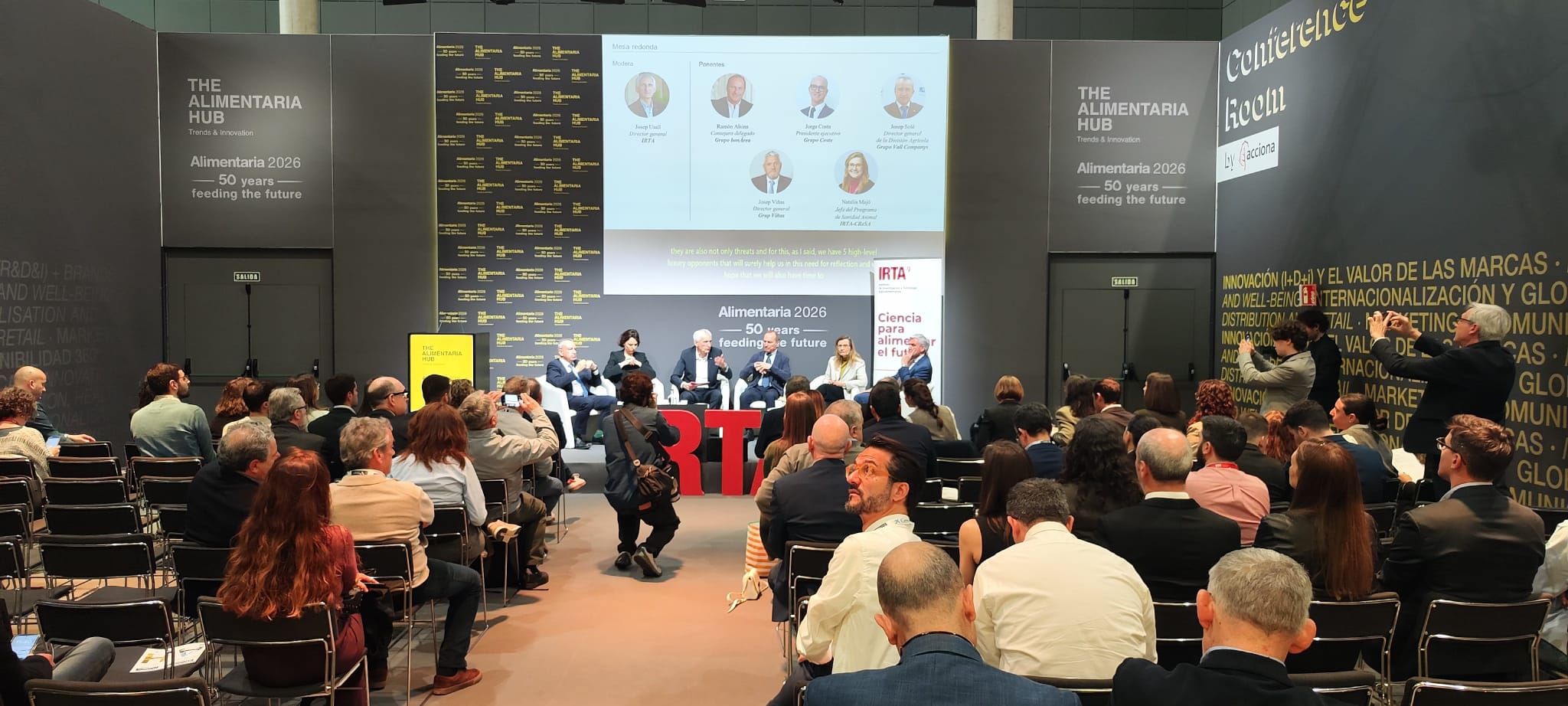
The meeting emphasized the importance of animal health as a strategic pillar, with a direct impact on production, international trade, and consumer confidence, as well as the need to advance collaboration under the “One Health” approach.
During the event, participating companies agreed that biosecurity, prevention, and traceability are fundamental pillars for ensuring the sector’s competitiveness, as well as the importance of anticipating potential health crises through improved planning and cooperation.
They also emphasized the key role of scientific research in developing effective solutions, improving surveillance systems, and advancing the development of vaccines and diagnostic tools.
Josep Viñas: Communication and Transparency as Key Pillars
Among the key speakers, Josep Viñas, CEO of Grupo Viñas and a member of ANAFRIC, highlighted the importance of communication in this area, stating that “transparency from the administration and good communication are vital” when facing challenges in animal health.
His remarks reinforce the need to build trust throughout the entire value chain, especially in an environment where consumers and international markets are increasingly demanding more information and guarantees regarding production processes.
A Shared Challenge for the Future of the Sector
The roundtable concluded with a clear message: animal health challenges cannot be addressed individually. It is essential to move towards a model based on collaboration between companies, research centers, and government agencies, which will improve prevention, strengthen the sector’s resilience, and guarantee its long-term sustainability.
In this context, the meat sector continues working to adapt to an increasingly demanding environment, where animal health is positioned as a determining factor for the competitiveness and future of the industry.