The current geopolitical context in the Middle East is starting to affect production costs in the European agri-food chain. According to the Spanish Confederation of Compound Feed Manufacturers (CESFAC), the escalating conflict is generating increasing volatility in energy markets and a rise in fuel prices, which is already impacting raw material logistics and feed distribution.
The animal feed sector is particularly sensitive to these fluctuations, as it relies heavily on transportation for the supply of raw materials and the distribution of finished products. In Spain, virtually all domestic transport of raw materials and feed for animal consumption is carried out by road, meaning that any increase in fuel prices has a direct impact on logistics costs.
In recent days, increased geopolitical tensions have led to a surge in oil prices and, consequently, in fuel prices. This situation is impacting both the import of raw materials and the distribution of animal feed within the country.
The CEO of CESFAC, Jorge de Saja, has indicated that the industry is already beginning to feel the effects of this scenario:
“Animal feed relies on highly intensive logistics, both for the arrival of raw materials and for the distribution of feed. In the case of domestic transport, which is carried out primarily by road, it is a system that is very sensitive to fluctuations in fuel prices.”
In addition to the logistical impact, the sector is detecting tensions in the market for certain strategic additives. One of the most relevant cases is that of methionine, an essential amino acid in feed formulation, whose supply is beginning to be affected by international logistical difficulties and the increase in energy costs. These circumstances are leading to supply reductions, price increases, and additional costs in their distribution.
In Spain, virtually all domestic transport of raw materials destined for animal feed is carried out by road, meaning that any increase in fuel prices has a direct impact on logistics costs.
What implications could this have for the meat sector?
For companies in the livestock and meat sector, this situation could translate into increased production costs in the short term. The higher cost of transport and certain feed components could affect the final price of animal feed, one of the main costs in livestock production.
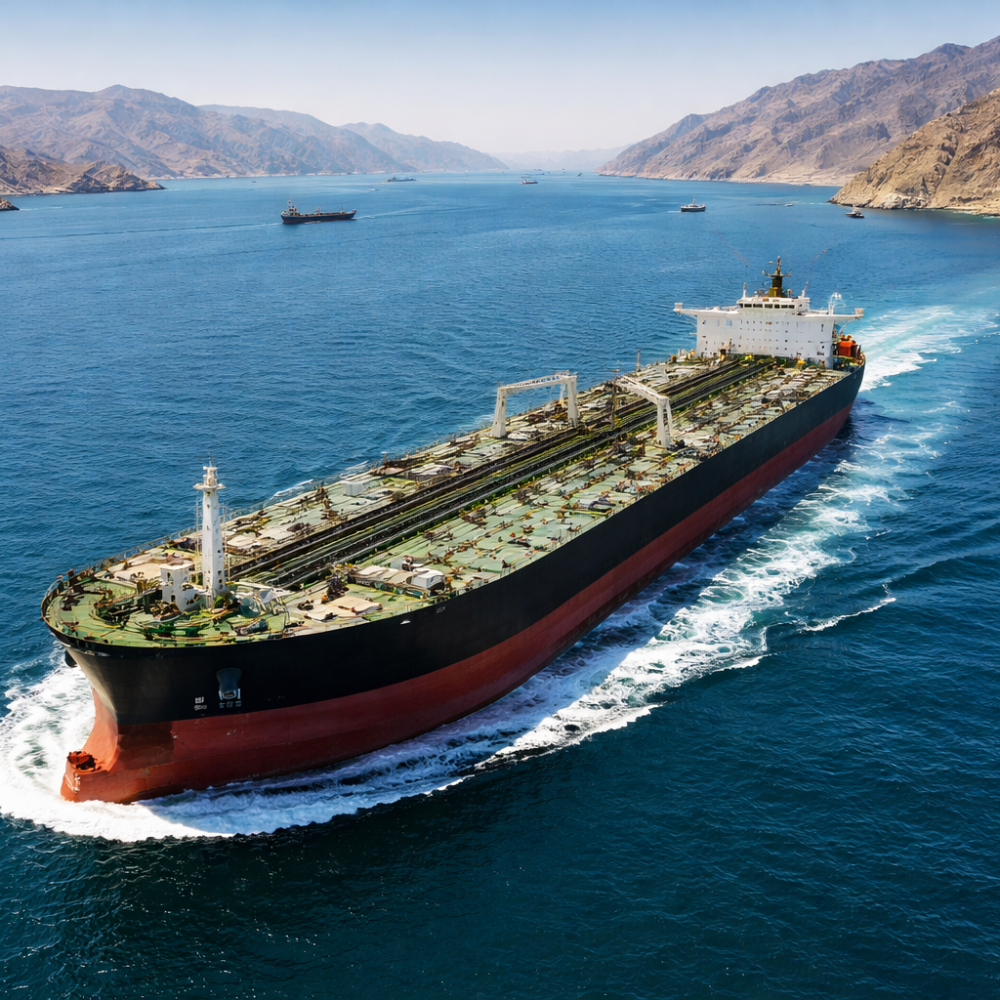
Although the volume of raw materials destined for animal feed that passes through the Strait of Hormuz is limited, the main risk at the moment lies in the increased cost of logistics and the volatility of international energy markets.
The sector also raises the need for government agencies to adopt temporary measures to alleviate pressure on the agri-food chain during periods of high volatility, such as the temporary reduction or elimination of taxes on fuel and energy.
For ANAFRIC members, monitoring these factors will be crucial in the coming months, as changes in energy and logistics costs can directly impact the competitiveness of the entire meat and livestock supply chain.