
The Community of Madrid has initiated the process to declare transhumance a Cultural Heritage Asset (BIC) in the Intangible Heritage category, with the aim of preserving a key traditional livestock practice in the history of the primary sector.
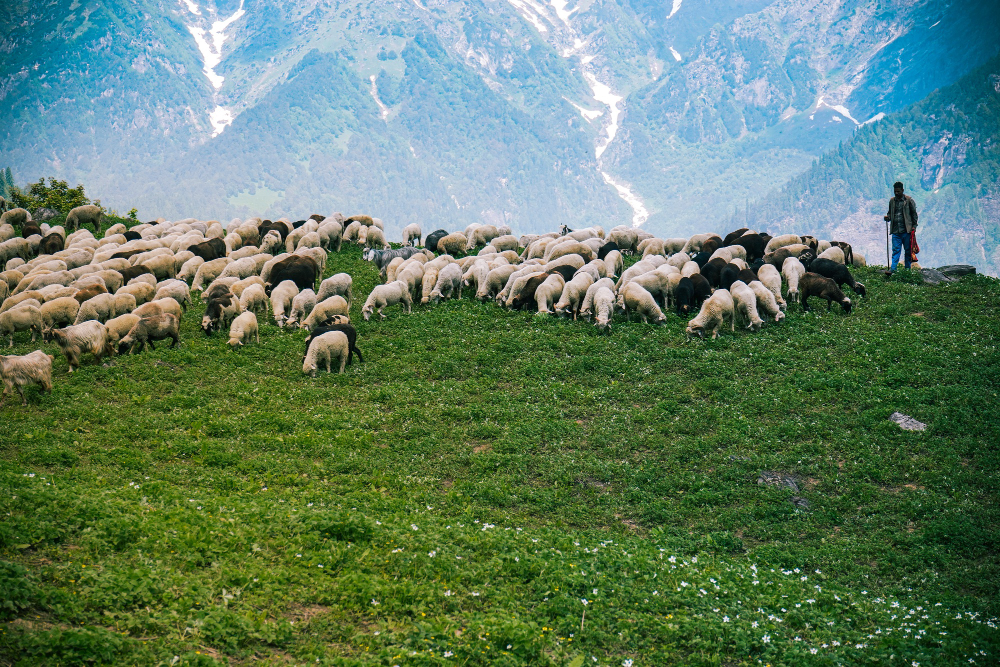
This initiative recognizes the historical, environmental, and social value of transhumance, a system based on the seasonal movement of livestock between winter and summer pastures that has contributed for centuries to economic development and the shaping of the landscape.
A Livestock Legacy with Centuries of History
Transhumance has its roots in the prehistory of the Iberian Peninsula, although it reached its peak during the Middle Ages with the creation of the Honrado Concejo de la Mesta (Honorable Council of the Mesta) in 1273, an institution that regulated this activity and consolidated its role in the economy.
In the case of Madrid, its strategic location made it a key point on the livestock routes that connected the north and south of the peninsula. From this migration arose infrastructures such as the royal drove roads, which still form part of the rural heritage today.
The rise of transhumance occurred between the 16th and 17th centuries, driven by the wool trade, while its decline began in the 18th century and intensified with industrialization and the progressive abandonment of rural areas.
A Living Practice with Environmental Benefits
Although traditional long-distance transhumance is less common today, adapted forms such as seasonal migration are maintained in the Community of Madrid, especially in mountainous areas like the Sierra de Guadarrama and the Sierra Norte.
These practices continue to play a significant role in the sustainable management of the land. Among their benefits are the prevention of forest fires, the maintenance of ecosystems, and the conservation of biodiversity.
Furthermore, transhumance retains significant cultural value, reflected in traditions, knowledge passed down through generations, gastronomy, and heritage elements such as livestock trails, watering troughs, and traditional buildings.
Protection and Future of the Sector
The opening of the process to declare it an Asset of Cultural Interest represents an important step in guaranteeing the preservation of this livestock farming practice and highlighting its contribution to territorial balance and rural development.
ANAFRIC welcomes these types of initiatives that help preserve livestock farming traditions, which are fundamental for maintaining the meat sector, the sustainability of rural areas, and the conservation of cultural heritage linked to food production.