One in five consumers in Spain plans to reduce the amount of meat or fish purchased during the Christmas period, according to information reported by EFE Agro based on a study by the Association of Manufacturers and Distributors (Aecoc).
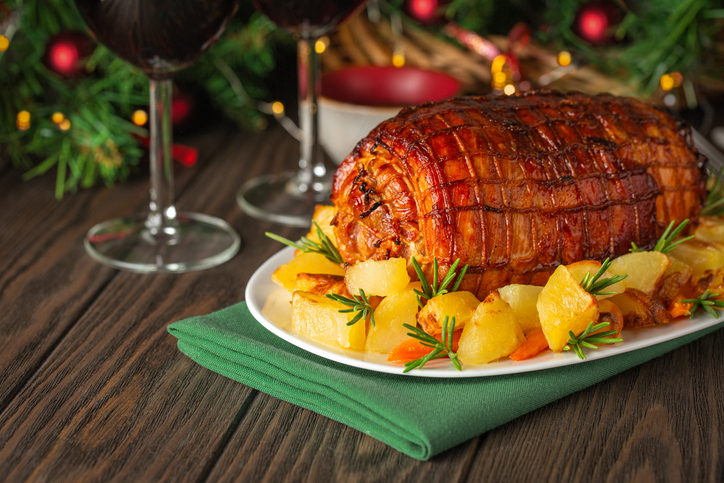
Aecoc’s Shopperview report indicates, however, that overall Christmas spending is expected to remain stable. Seventy-one percent of households plan to spend the same or more than last year, despite more than half stating that they reach the end of the month with difficulty and continue to identify inflation as their main concern.
To cope with this situation, consumers are adjusting their habits: bringing purchases forward, looking for promotions, adapting festive menus and reducing basket size to better control their budgets. Nevertheless, food consumption at home remains a priority, with a clear intention to maintain or even increase spending in this category.
According to Aecoc, the use of ready-prepared products is also increasing, particularly in fish and seafood categories, alongside a growing demand for convenient, high-quality options.
The Christmas campaign will also be marked by changes in consumption habits. Sixty-eight percent of consumers will prioritise family gatherings, reinforce balanced eating habits and show greater interest in discovering in-store innovation and shopping experiences.
Aecoc expects a “solid” Christmas campaign, with a growing trend towards healthier eating. In this regard, 68% of consumers say they try to eat more healthily, even during the festive season, reducing the consumption of sweets and alcohol in favour of more balanced meals.
At the same time, online channels continue to gain relevance. Forty-one percent of consumers plan to buy more gifts online, while 33% will also increase their online purchases of food and beverages.