The Council of the European Union and the European Parliament have reached a provisional agreement to amend the Regulation on the Common Organisation of Agricultural Markets (CMO) and certain aspects of the Common Agricultural Policy (CAP).
Among the measures included, one stands out as particularly relevant for the meat sector: the protection of meat-related terms, which will be reserved exclusively for products that actually contain animal protein.
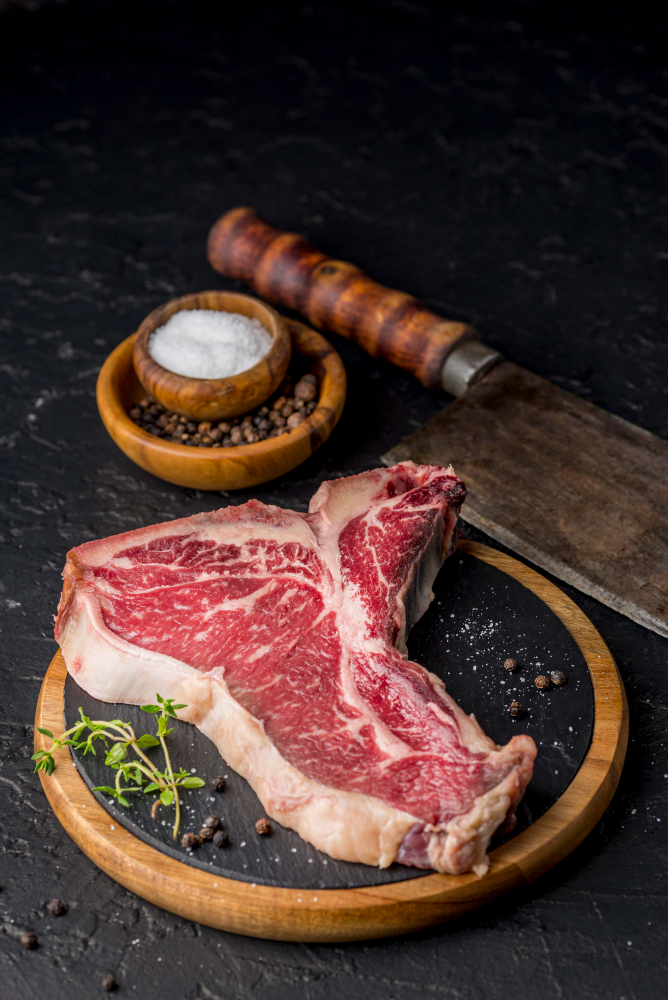
Protection of meat-related terms
The agreement stipulates that certain terms traditionally associated with meat products may not be used for foods that do not contain meat, with the aim of improving transparency for consumers and ensuring fair competition in the market.
Among the protected terms are:
- Meat
- Beef, veal, pork
- Poultry, chicken, turkey, duck, and goose
- Lamb, mutton, sheep, and goat
- Cuts and pieces such as loin, tenderloin, chop, ribs, shoulder, shank, fillet, breast, or bacon, among others.
These terms may only be used for meat products, meaning they cannot be used for foods made with plant-based proteins or other substitutes that do not contain meat.
An important exception is the term “hamburger,” which can still be used for plant-based products.
Greater clarity for consumers
The aim of this measure is to avoid confusion in food labeling and allow consumers to clearly identify the type of product they are buying.
By reserving meat terms for products containing animal protein, the European Union seeks to guarantee accurate information in the market and protect the value of traditional meat industry terms.
A More Balanced Framework for the Agri-food Sector
In addition to this labeling protection, the agreement also includes measures to strengthen farmers’ position in the value chain, such as:
Generalizing the use of written contracts between producers and buyers.
Facilitating the recognition and operation of producer organizations.
Enabling additional financial support within the CAP.
Defining the use of trade terms such as “fair,” “equitable,” and “short supply chain.”
With these changes, the European Union aims to create more balanced, transparent, and resilient food supply chains, while protecting the clarity of labeling and the identity of meat products in the European market.