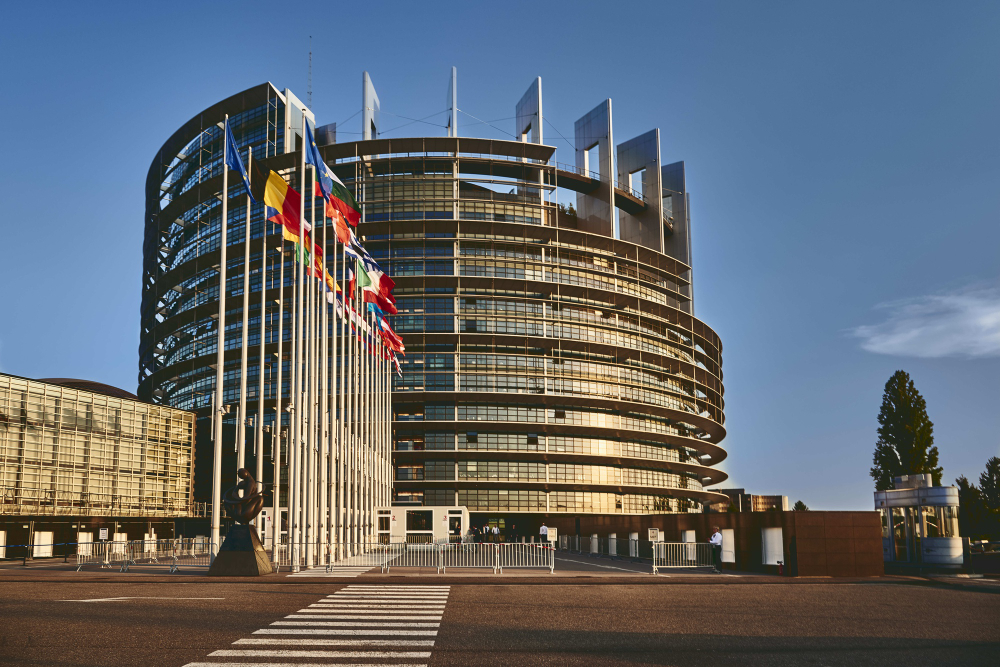
The European Parliament has approved new legislation aimed at strengthening the position of the meat sector in the food supply chain, improving market transparency, and protecting certain designations linked to products of animal origin.
Among the most relevant measures for the meat sector is the creation of mechanisms that will allow final prices to better reflect the real costs of production, fostering greater economic stability for farms and livestock companies.
The legislation also strengthens the role of producer organizations, expanding their collective bargaining power with buyers and commercial operators.
Protection of meat designations
One of the highlights of the approved text is the legal definition of meat as the “edible parts of animals” and the reservation of a broad list of terms exclusively for meat products.
Thus, terms such as beef, veal, pork, chicken, lamb, chop, sirloin, rib, fillet, ribeye, bacon, or liver cannot be used for products that do not contain meat, including foods grown in laboratories or produced from cells.
The measure aims to prevent confusion among consumers and ensure clear and transparent information about the nature of products sold in the European market.
Greater transparency for consumers
The new regulation also establishes criteria for the use of terms such as “fair” or “equitable” in food product labeling, with the goal of providing more rigorous and verifiable information.
According to the European Parliament, these measures will contribute to improving transparency in the food chain and will allow consumers to make better-informed purchasing decisions.
Next steps
The European Parliament’s approval represents an important step in strengthening the protection of European livestock production and recognizing the unique value of products of animal origin. However, the text still needs final approval from the Council of the European Union before it can enter into force.
The proposal is part of a package of measures promoted by the European Commission to improve the position of the food production sector in the food chain and ensure more balanced competition in the EU market.