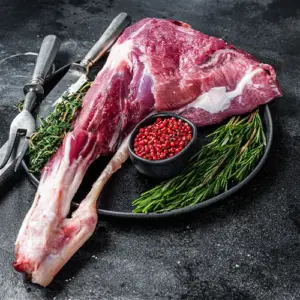
With the arrival of Christmas, the demand for suckling lamb, lamb, and kid meat increases throughout the country. These products are part of our culinary traditions and the gastronomic heritage linked to villages and rural areas.
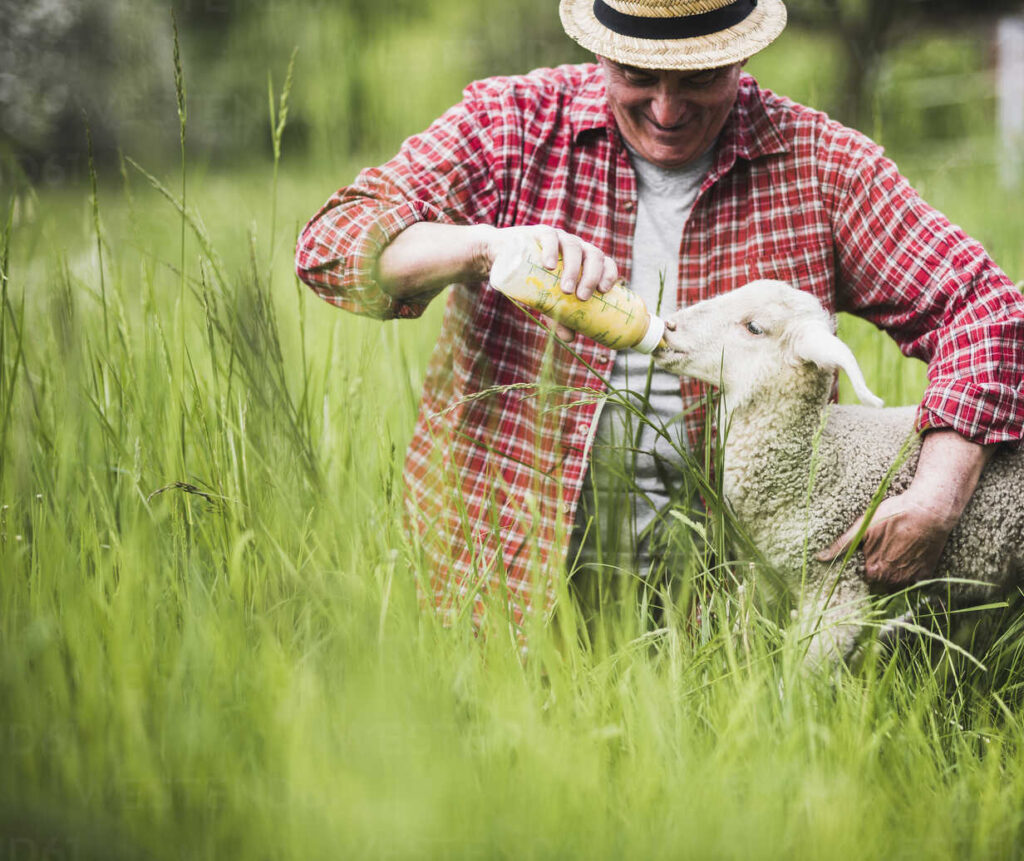
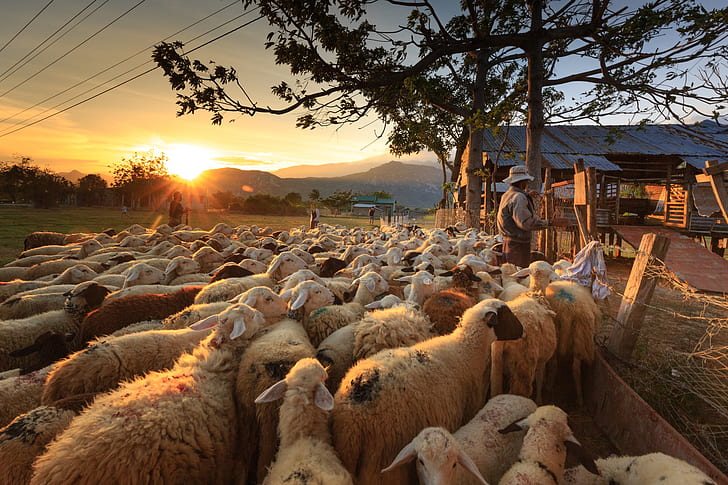
At ANAFRIC, we want to highlight the origin and production model of these meats. Lamb and kid meat production in Spain is carried out mainly in extensive systems: livestock farms that graze in harmony with nature and depend on the cycles of the land. This model contributes to biodiversity, prevents wildfires, helps maintain rural populations, and generates employment in areas where this activity is essential.
The sector has fewer farmers due to a lack of generational succession, smaller flocks, production limited by nature itself, and a general increase in costs that affects the entire chain (feed, energy, transport, services, materials, and European regulations). For all these reasons, choosing lamb or kid goat from Spain means opting for a top-quality product with traceability, food safety, and certified sustainability. Every purchase directly supports the more than 150,000 families connected to extensive farming in Spain.
Every lamb that arrives on the table at Christmas is the result of daily, quiet work. Its price isn’t high: it’s fair. Behind it are farmers, villages, nature, and a way of life that we must preserve.