Internationalization continues to be one of the main drivers of growth for the Spanish meat sector. However, accessing non-EU markets increasingly demands greater guarantees in terms of traceability, control, and food safety. In this context, the Specific Self-Control System (SAE) has become an essential requirement for any company wishing to export products of animal origin outside the European Union.
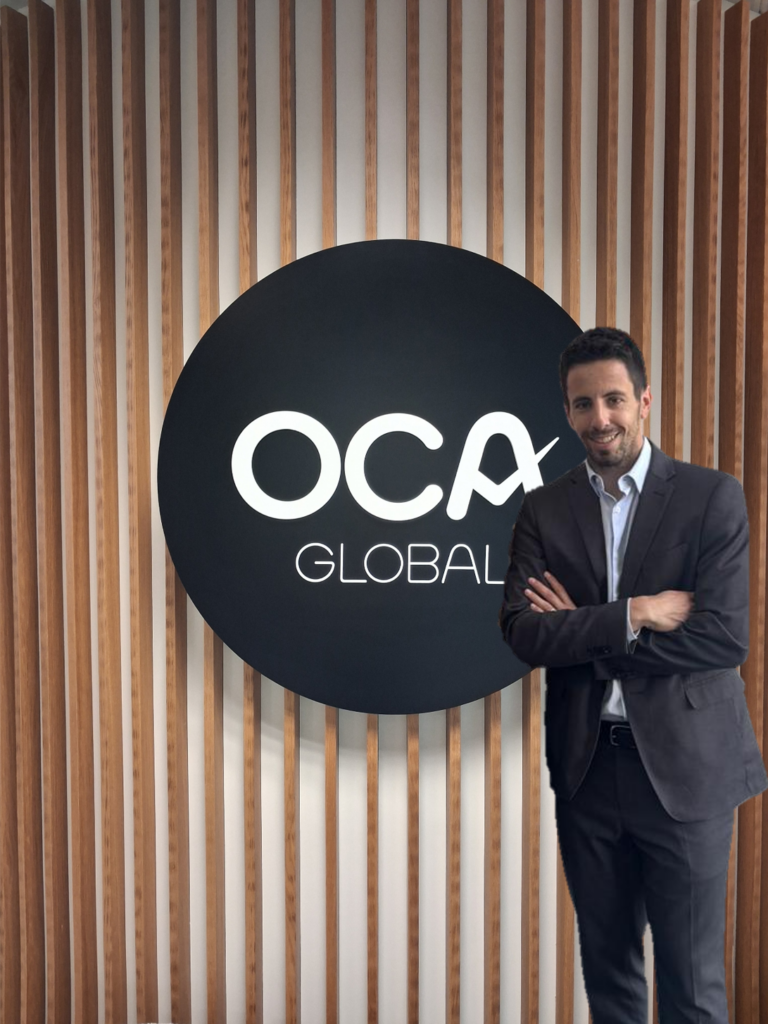
This is explained by Jaime Forment Alba, Director of Certifications at OCA Global, a partner company of ANAFRIC, who emphasizes that the SAE “is no longer an option, but rather the key to accessing international markets.”
Far from being a voluntary certification, the SAE is a legal requirement linked to obtaining the Official Veterinary Export Certificate, which is essential for operating with numerous third countries. Without this accreditation, companies cannot access a significant portion of international markets.
Exporting increasingly demands guarantees
Certification proves that the company has specific procedures in place to guarantee complete product traceability, compliance with the health requirements of each destination country, proper document management, and the identification of batches destined for export.
“Each market demands greater guarantees and controls. Traceability has become the most critical element of the entire process,” explains Forment.
Competing on a level playing field
For ANAFRIC, facilitating access to these types of certifications for its member companies is a strategic tool for improving their international competitiveness.
The association maintains a collaboration agreement with OCA Global, an ENAC-accredited entity, through which member companies can access preferential conditions for obtaining SAE certification.
“Our goal is to support companies in all aspects that strengthen their export capacity,” explains José Friguls, president of ANAFRIC. “Today, product quality alone is no longer enough; international markets demand documented guarantees, robust control systems, and compliance with increasingly stringent regulations.”
OCA Global points out that one of the main challenges for companies is implementing solid procedures that allow them to track the product’s journey from the origin of the raw materials to its arrival in the importing country, as well as providing adequate training to all teams involved in the process.
A service to boost internationalization
Spain is one of the world’s leading exporters of meat and meat products, so having tools that facilitate access to new markets is essential to maintaining the sector’s competitiveness.
Through this agreement with OCA Global, ANAFRIC offers its members a specialized service that facilitates obtaining a certification that, in practice, has become the passport for exporting outside the European Union.