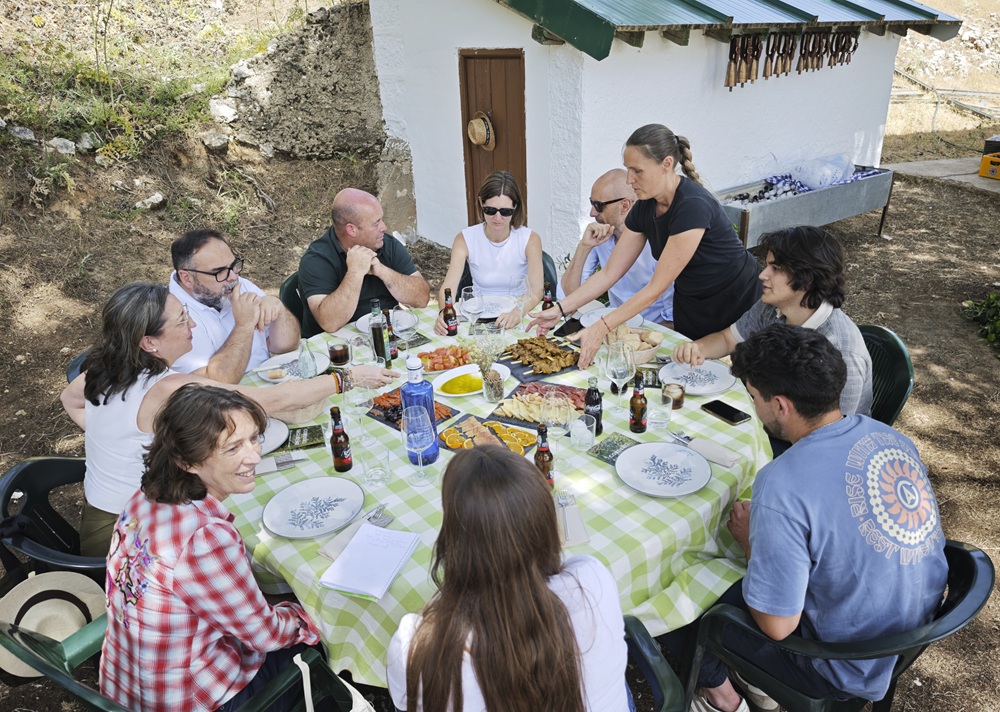
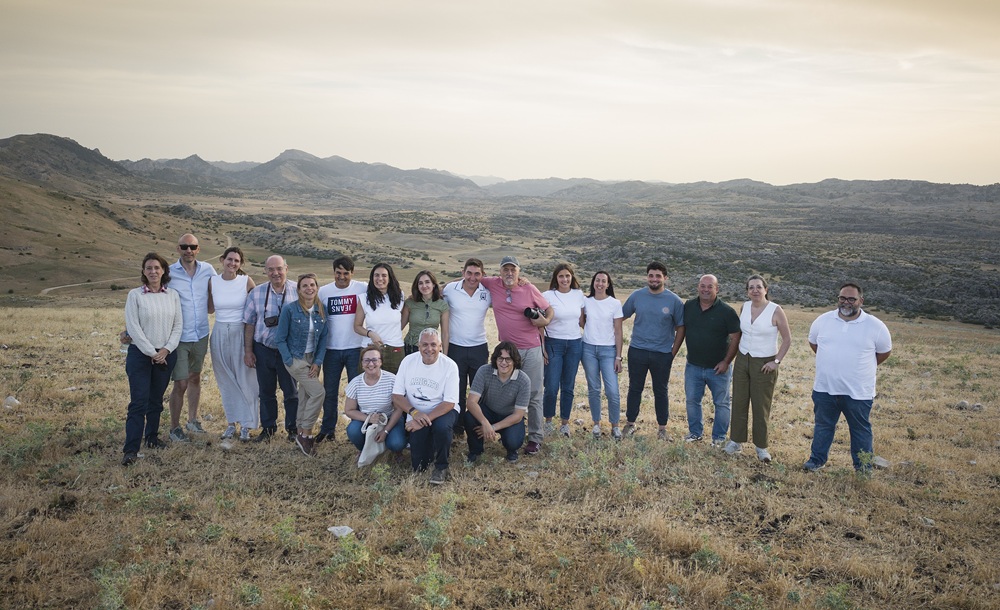
INTEROVIC has organised a press trip to the Sierra de Segura (Jaén) to bring media closer to the reality of extensive livestock farming and transhumance, an ancestral practice that remains key to territorial sustainability and rural development.
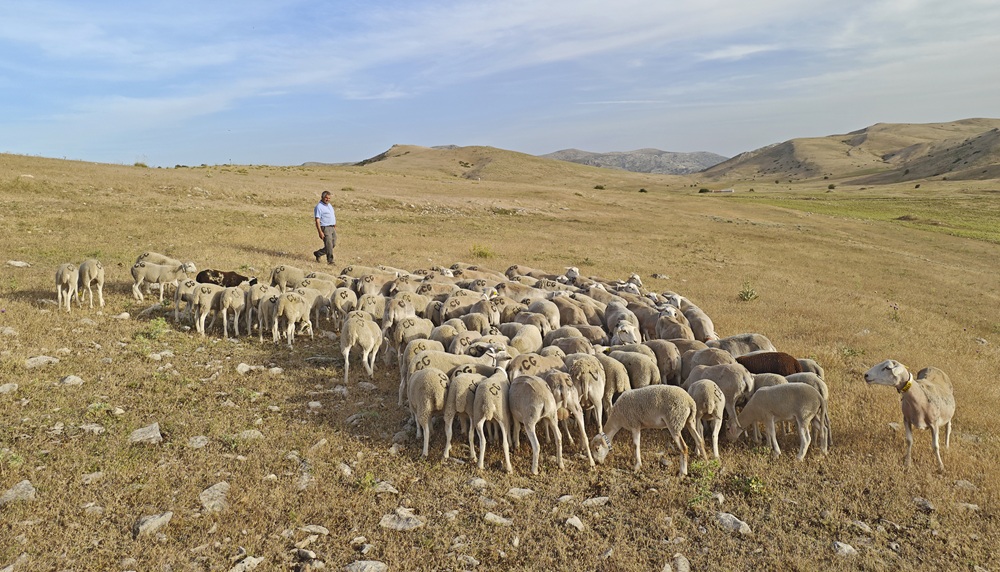
During the visit, journalists travelled through the Campos de Hernán Perea, considered the largest plateau in Europe, and learned first-hand about the work of transhumant shepherds and the environmental, social and economic value of their activity.
One of the most remarkable aspects of the visit was the example of generational renewal represented by Santiago-Pontones, a municipality that has become a national benchmark for extensive livestock farming. In recent years, nearly 80 young livestock farmers have joined the activity, demonstrating that the sector continues to offer real opportunities for the future in rural areas.
Transhumance, in addition to preserving a historical tradition recognised by UNESCO as Intangible Cultural Heritage of Humanity, promotes the efficient use of natural resources. The seasonal movement of livestock helps maintain pastures, improve biodiversity and naturally reduce vegetation load that can fuel forest fires.
Extensive livestock farming also plays an essential role in the fight against climate change. Grazing helps preserve high-value ecosystems and enables grasslands to act as natural carbon sinks, capturing CO₂ from the atmosphere.
INTEROVIC highlights that behind every cut of lamb or goat meat there is a production model committed to animal welfare, sustainability and maintaining population in rural areas.
Initiatives like this help raise awareness of the strategic role of the sheep and goat sector in preserving landscapes, biodiversity and the economy of many rural areas in our country.