Meat prices in the European Union remained high in February 2026, confirming a trend that had already taken hold in 2025. According to the latest analysis by ANAFRIC partner MeatBorsa, supply constraints and the reduction in the number of animals continue to influence the behavior of meat markets in Europe.
The report compares price trends in different EU countries during 2025, January 2026, and February 2026, with the aim of identifying relevant trends for the sector. Prices are presented in euros per kilogram (€/kg), allowing for easy comparison of the situation between markets.
A market that remains at high levels
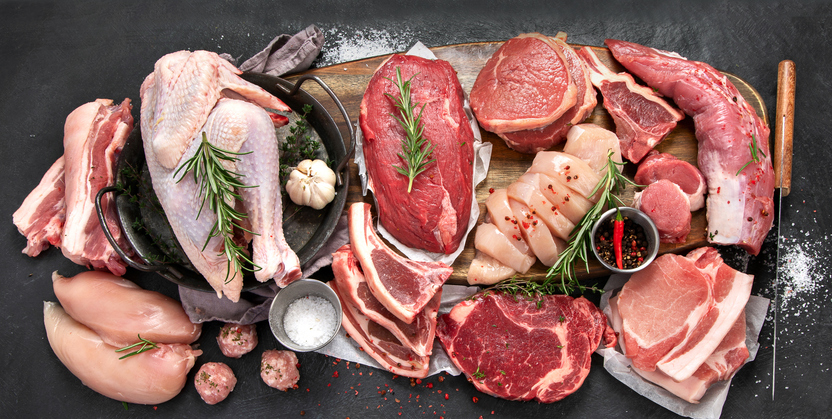
During 2025, meat prices registered significant increases in most categories, although with differences between species and countries. Beef and lamb saw the largest price increases, mainly due to a reduction in the number of animals available and a more limited supply.
By the end of that year, several beef categories were already trading at average levels of between €6 and €7/kg, while lamb exceeded €10/kg in some markets.
The January 2026 report confirmed that these levels remained unchanged at the start of the new year, and February data shows that the situation has barely changed: prices are still high, but without the sharp increases recorded during 2025.
Differences between species
MeatBorsa’s analysis shows different trends depending on the type of meat:
Beef: prices remain high and relatively stable after reaching their peak at the end of 2025.
Lamb: remains the most expensive category, although slight price adjustments have been recorded in some markets.
Pork: It remains more economical than beef or lamb, but with greater volatility and price differences between countries.
Poultry: It remains the most affordable animal protein in the European market.
What this means for the sector
According to the analysis, the European market appears to have entered a phase of structurally high prices, rather than a temporary peak. Among the factors continuing to influence this situation are:
the reduction in livestock numbers in several European countries,
the increase in production costs,
and the structural differences between the production systems of the Member States.
For companies in the meat sector, these factors suggest that the tension between supply and demand could persist for the coming months, with markets stabilizing at high levels instead of quickly returning to the prices of previous years.
Learn more at this link.